
Most of us don't think about food until something goes wrong: low energy, weight gain, a worrying blood test. But food is the fuel behind everything we do. Learning a little about what's on your plate is one of the simplest ways to make life easier and healthier.
What a Healthy Diet Really Means
Understanding what each nutrient does makes it easier to choose food with purpose.A healthy diet isn't a strict plan or a list of banned foods. It's a pattern of eating that gives your body what it needs in the right amounts. In practice, that means:
Less sugar, salt, fried food, and highly processed snacks
Plenty of vegetables and fruits, in a variety of colors
Whole grains such as oats, brown rice, and whole wheat roti instead of refined flour
Quality protein from lentils, beans, eggs, fish, chicken, and dairy
Healthy fats from nuts, seeds, olive oil, and fish
Water as your main drink
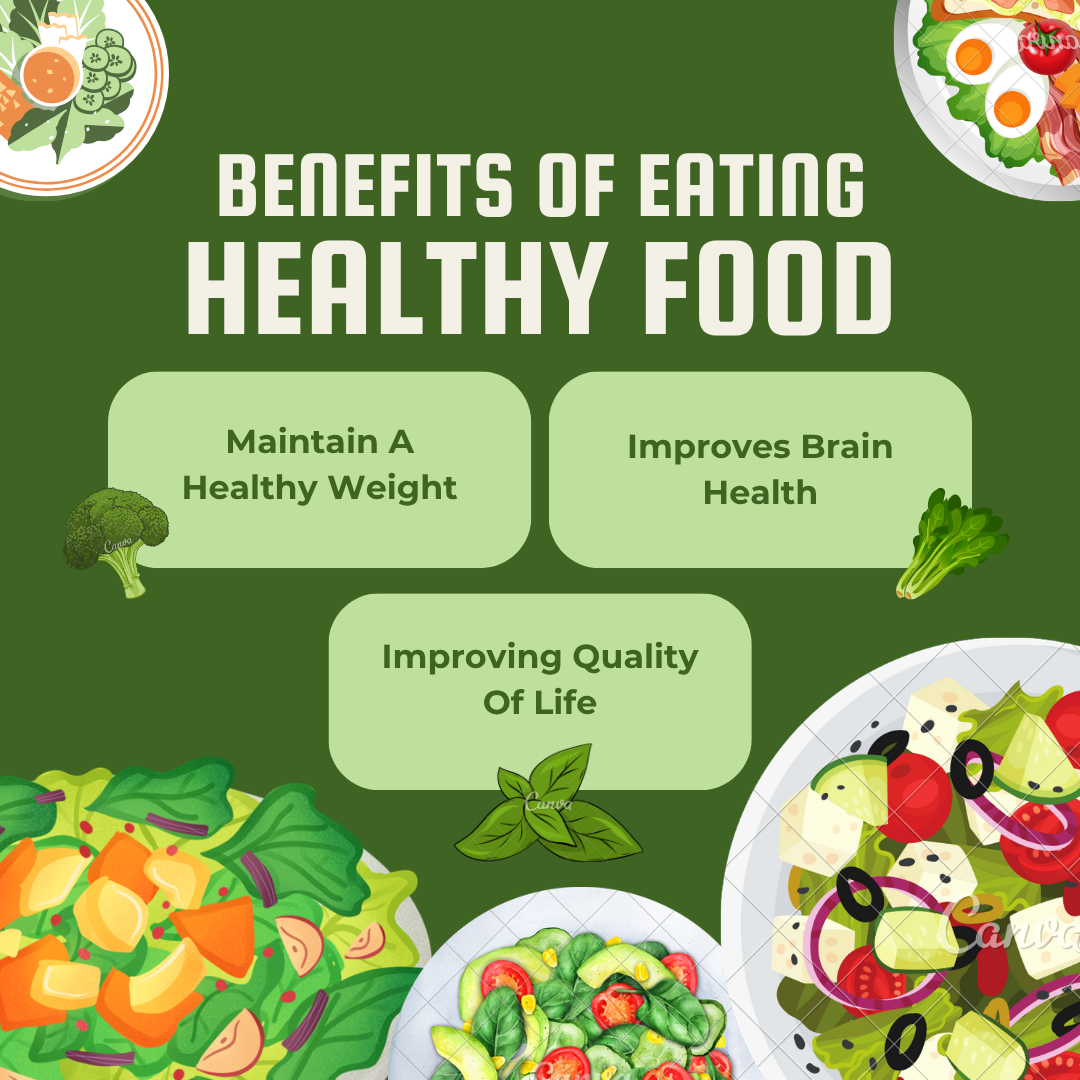
The Nutrients Your Body Relies On
Carbohydrates are your body's main energy source. Whole grains, fruits, and legumes release energy slowly, keeping you steady, while sugary foods cause quick spikes and crashes.
Protein builds and repairs muscles, skin, and tissue, and supports your immune system. It also keeps you feeling full longer
Fats are essential, not the enemy. They help your brain function and your body absorb vitamins A, D, E, and K. The key is choosing unsaturated fats over excess fried and processed ones.
Fiber supports digestion, helps control blood sugar, and is linked to better heart health. Vegetables, fruit, beans, and whole grains are rich sources.
Vitamins and minerals work quietly in the background. Iron supports healthy blood, calcium and vitamin D build strong bones, vitamin C supports immunity, and potassium helps regulate blood pressure.
The Real Value of Nutritional Knowledge
Knowing about nutrients gives you power in everyday decisions.
You make better choices without effort. Once you know that a sugary drink offers quick energy but little else, while a handful of nuts and a piece of fruit keeps you going for hours, healthy choices become natural rather than forced.
You can read between the lines of marketing. Words like "natural," "light," and "low fat" can be misleading. Knowing how to read an ingredient list and a nutrition label helps you see what's actually in the package.
You prevent problems before they start. Diet plays a major role in conditions like type 2 diabetes, high blood pressure, heart disease, and obesity. Good eating habits built early are one of the best forms of long-term protection.
You feel better day to day. Balanced meals support steady energy, better concentration, improved mood, and better sleep. Many people notice these changes within weeks.
You save money and stress. Cooking simple meals at home from basic ingredients is usually cheaper than relying on takeaway and packaged food, and it puts you in control.
Type your paragraph here